Managing Your Feed Shrink

What is Shrink?
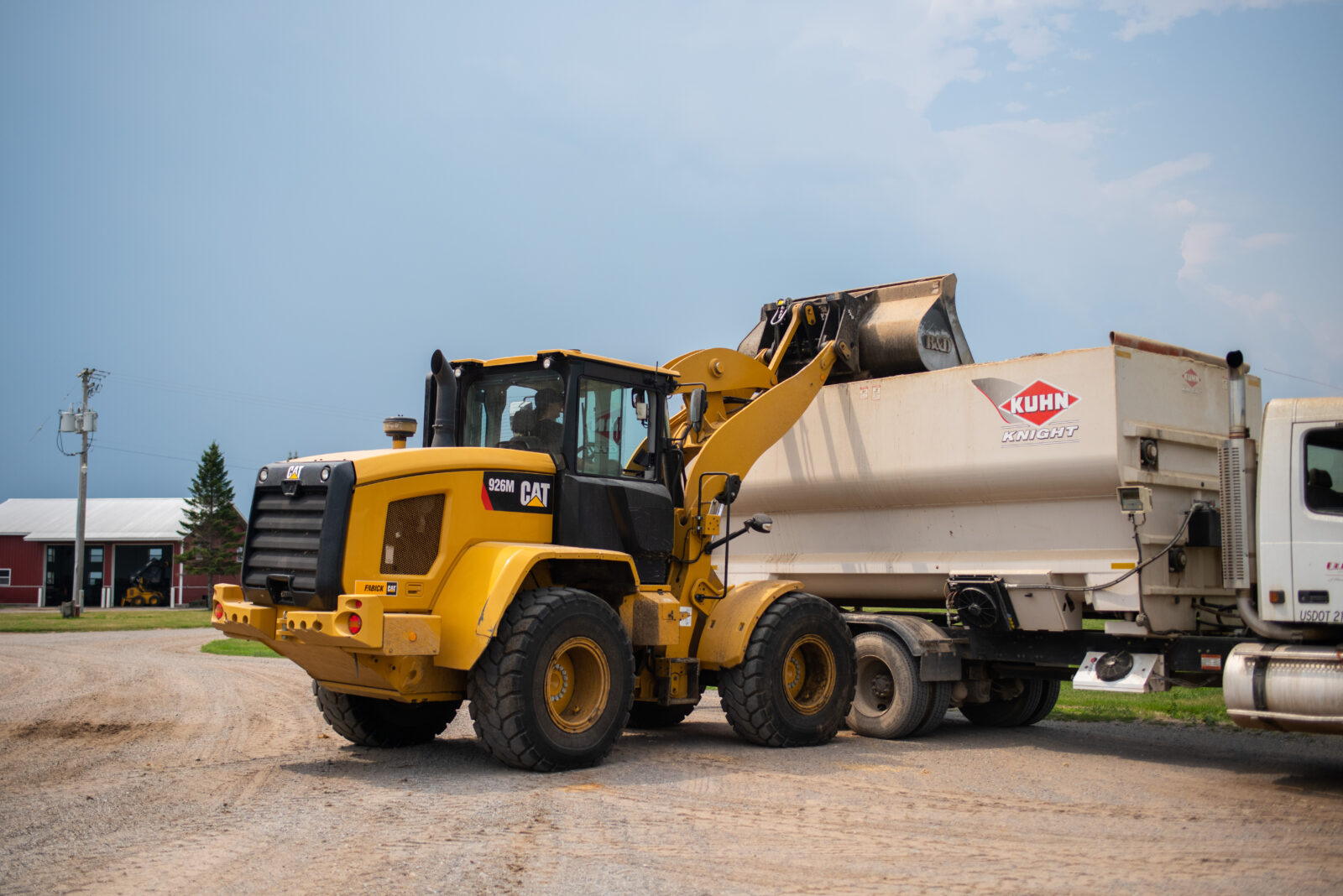
Shrink is the loss of feed between the time that it is purchased or harvested and when the animal consumes it. There are many causes to feed shrink: spoilage due to poor storage or weather, scale inaccuracies, wind, storage type, spills, field loss, mixing error, and consumption by unwanted animals. Shrink not only impacts your feed quantity, but can have a negative impact on profitability and feed quality as well. As a result of this, your herd’s health and productivity can take a hit which leads to a loss in milk production.
How does it affect the operation?
Costs quickly add up when you realize that every pound of feed lost to shrink is a pound of feed you’ve paid for but now cannot use. Most dairies that do not have shrink management protocols in place experience feed shrink of at least 8%. This number can vary day-to-day. As an example, let’s say that a dairy farm spends $400,000 on feed each month, and they experience a shrink rate of 10%, on average. The amount of feed being lost each month due to shrink would be $40,000 worth. Annually, this is a $480,000 loss to the farm solely due to shrink.
How to reduce it?
Feed shrink is a common occurrence, but the big question must be, “how can we minimize it?”. The opportunity to reduce feed shrink is one that dairy farms must jump on in order to help save on feed cost- the number one greatest expense on most dairy farms. Fortunately, a large part of feed shrink can be prevented by implementing the right management strategies.
Here is what you can do to minimize feed shrink:
Maintain your equipment properly. Be sure your truck scale and mixer wagon scales are calibrated correctly, to have an accurate grasp on feed coming in and going out of your operation, and what is being fed to the cows. Inaccuracies of scales can lead to large amounts of feed shrink. Inspect your TMR mixer regularly for inconsistencies and wear-and-tear. Also pay attention to your harvest machinery and ensure they are working as they should; not leaving any forage to waste.
Harvest at the right percentage of dry matter. If forages are not harvested at the correct moisture level, there will be issues with packing and the quality of fermentation will be reduced. Maintain the quality of your silage by conducting routine moisture tests to carry out timely harvest.
Use correct storage and packing techniques. Minimizing wind loss is important. Keep this in mind when installing bins verses sheds for ingredients. Decrease the distance between the TMR mixer and the commodity shed. Use roll-down curtains or stacks of bales to your advantage to create a wind-break. When possible, mix inside or away from the wind. Also make sure that the slope of your commodity shed allows for mositure to escape rather than run back into the bays. Be aware of rodents, birds, wildlife, and flies that can deteriorate feed quickly. Ensure best packing technique as well- to allow for proper fermentation and optimal nutrition. Cover silage piles well to ward off additional oxygen and moisture. Regularly inspect your storage structures and make any repairs as needed. These measures help to impact your feed quantity and quality.
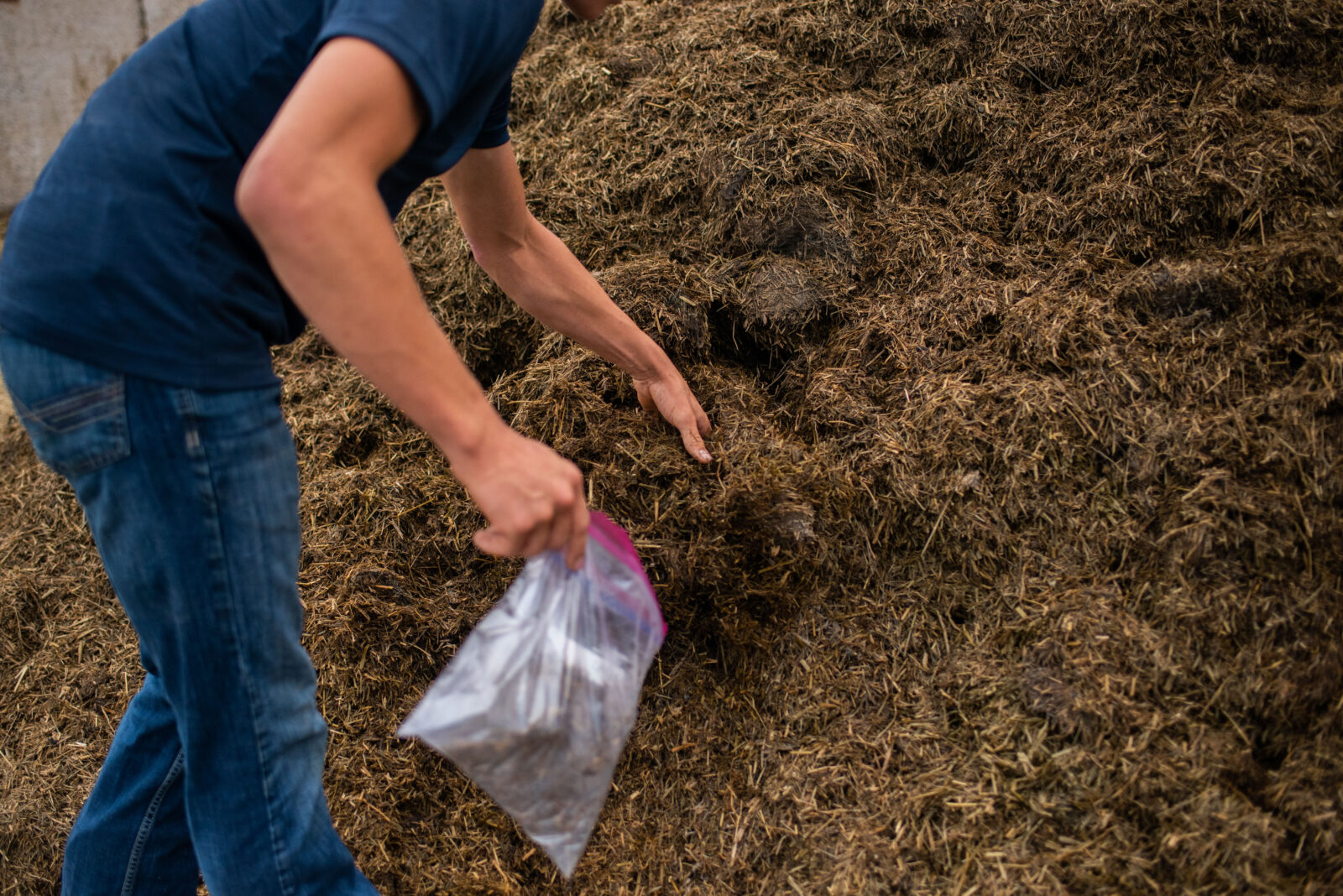
Maintain good feed quality at feedout. Only remove enough feed from a forage pile that you need for a feeding to maintain quality, as excessive feed in a pile on the ground is susceptible to shrink through spoilage, heating, and the rain. Avoid exposing large amounts of feed to the elements. Make sure that silage is being evenly removed from the face of the bunker or pile to reduce loss. Lastly, talk with your feeder about the importance of mixing the TMR properly and be sure that feed is being pushed up regularly.
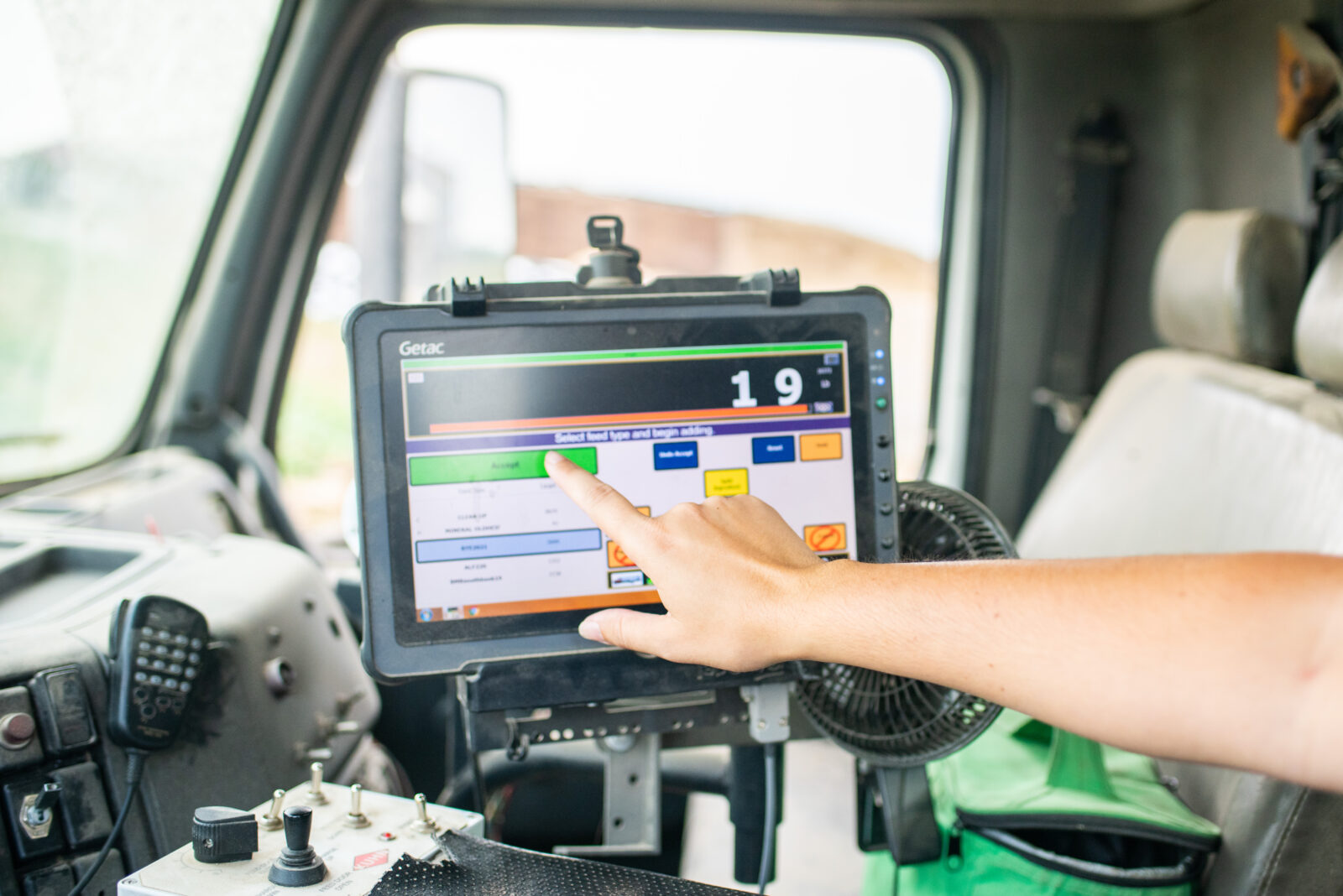
Use feed management software. The use of a feeding management software system to track feed inventory is crucial to a dairy’s ability to manage and reduce shrink. Without software like this, one would be left to guessing how much feed is lost, and therefore have an inaccurate picture of how much money is being lost annually to feed shrink. If shrink is reduced by just 3%, this is a savings of $0.25/cow/day. Therefore, an 800-cow dairy, for example, would see a savings of $73,000 annually. Utilizing feed manangment software provides many benefits to the dairy farmer and their nutritionist. Feed Supervisor® System is an adaptable solution to fit your feeding style. This software allows you to measure and track your inventory, manage the feed bunk and adjust rations based upon dry matter intake and clean-up data, analyze energy corrected milk and components, improve operator efficiency, learn how your local weather impacts your herd, view insightful reports and graphs, and more. Most would agree that having accurate data of the operation at your fingertips to be able to identify opportunity for savings is worth it for the program in and of itself. It is necessary to have the best understanding of your business as possible to make informed, data-driven decisions.
Here is what a Feed Supervisor® user said about how it has impacted their ability to manage shrink: “I could not live without it [Feed Supervisor] because tracking inventories, knowing dollars and cents behind each feed, and minimizing shrink is crucial to our profitability. We’ve been able to track and improve on feed shrink substantially- the more data the better.”
Staff Management and Training. A dairy farm isn’t run by one person, rather a team. Just like your milkers are trained in proper milking protocols in the parlor and your staff are trained in hoof care, cow health, and pen hygiene, you must train and educate them on the above practices to have a chance at minimzing your feed shrink. As a result, everyone can be on the same page regarding feed handling, harvest, feedout, storage, and, for the feeder, using feed management software. Each individual plays a crucial role in the goal of minimizing preventable feed shrink.
When feed shrink is reduced, you’ll see an increase in profitability. You’ll feel better knowing that your herd is getting higher quality feed- directly impacting milk production and cow health- because you worked to manage shrink. What are some strategies you can implement today that can minimize shrink on your operation?